

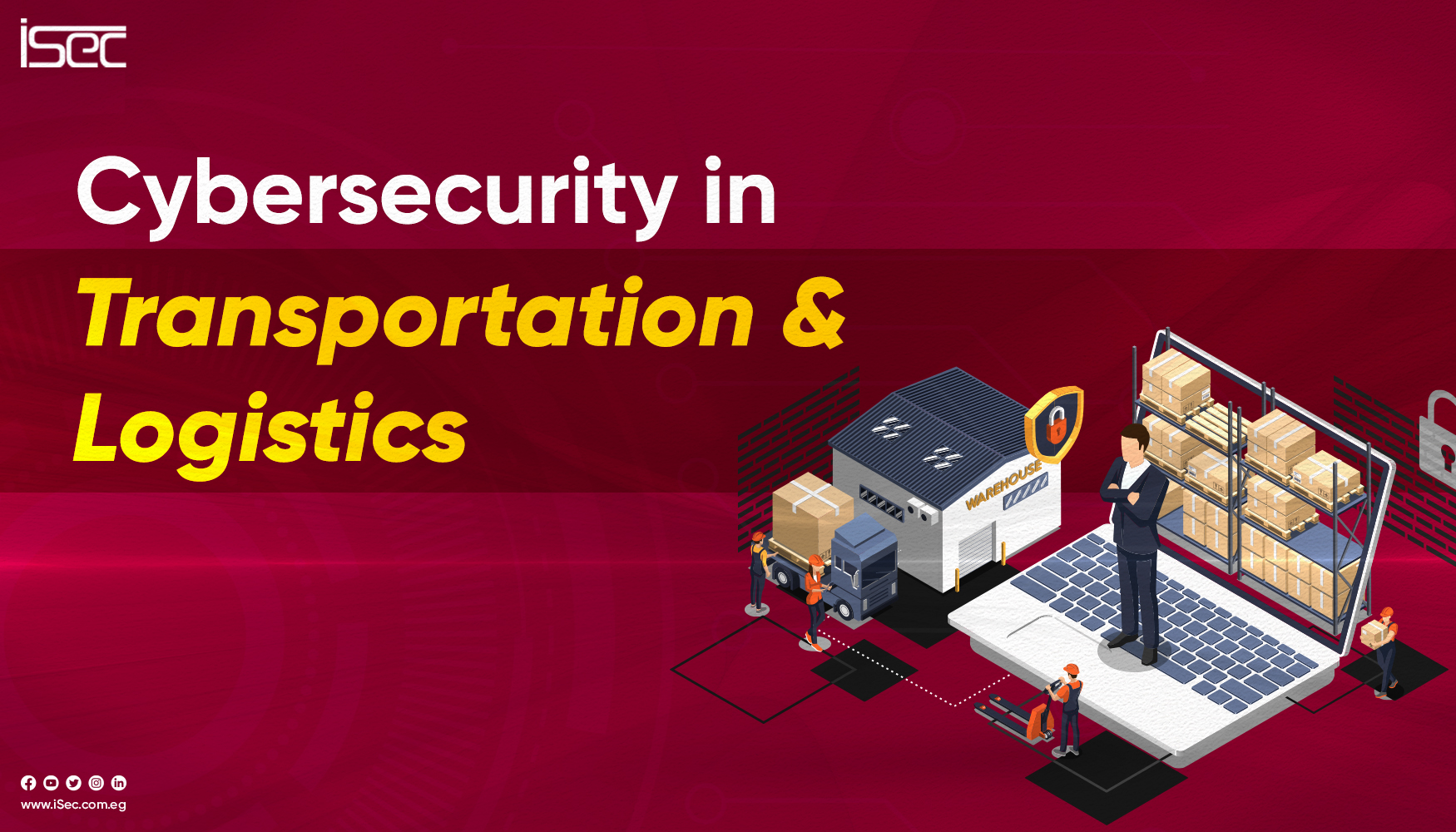
The transportation and logistics sector is the lifeline of global trade, connecting businesses, consumers, and economies. However, its increasing reliance on digital systems makes it an attractive target for cybercriminals. Key reasons why cybersecurity is a top priority include:
- Critical Infrastructure
Transportation systems, such as ports, railways, and air freight, are essential for economic stability. A cyberattack on these systems can lead to widespread disruptions. - Digital Dependency
From fleet management systems to real-time shipment tracking, the industry depends on technology to enhance efficiency. This reliance increases the attack surface for potential cyber threats. - Interconnected Supply Chains
Modern supply chains involve multiple stakeholders, including manufacturers, carriers, and warehouses. A cyberattack on one entity can ripple through the entire supply chain.
Key Cybersecurity Challenges
The transportation and logistics industry faces unique cybersecurity challenges, including:
1. Ransomware Attacks
Cybercriminals use ransomware to lock critical systems, demanding payment to restore access. For transportation companies, even a short downtime can result in significant losses.
2. IoT Vulnerabilities
IoT devices, such as GPS trackers and sensors, are widely used but often lack strong security measures. These devices can be exploited to gain unauthorized access to networks.
3. Legacy Systems
Many organizations still use outdated systems that are incompatible with modern security protocols, making them easy targets for hackers.
4. Third-Party Risks
The reliance on vendors and contractors introduces vulnerabilities, as weaker security practices by third parties can compromise the entire network.
5. GPS Spoofing and Manipulation
Hackers can manipulate GPS signals, misdirecting shipments or interfering with autonomous vehicles.
Real-World Cybersecurity Incidents
- Maersk Ransomware Attack (2017): Shipping giant Maersk fell victim to the NotPetya ransomware, halting operations worldwide and causing $300 million in damages.
- Colonial Pipeline Attack (2021): A ransomware attack on the U.S.’s largest fuel pipeline disrupted fuel supply, highlighting vulnerabilities in critical infrastructure.
Best Practices for Cybersecurity in Transportation and Logistics
To protect operations, companies must adopt a proactive approach to cybersecurity. Here are some best practices:
1. Secure IoT Devices
Ensure all IoT devices are updated with the latest firmware and use strong authentication protocols. Segment IoT devices from critical networks.
2. Implement Network Segmentation
Divide networks into segments to limit the spread of a cyberattack and protect critical systems.
3. Employee Training
Educate employees on identifying phishing scams, using strong passwords, and following cybersecurity protocols.
4. Use Encryption
Encrypt sensitive data during transmission and storage to protect it from unauthorized access.
5. Backup Critical Data
Regularly back up data to ensure recovery in the event of a ransomware attack or system failure.
6. Conduct Regular Audits
Perform security audits to identify vulnerabilities and implement timely fixes.
7. Collaborate with Partners
Establish cybersecurity standards with third-party vendors to ensure security across the supply chain.
Emerging Cybersecurity Trends
a) AI-Powered Threat Detection
AI and machine learning can analyze vast amounts of data to detect threats in real-time, enabling faster responses.
b) Blockchain for Supply Chain Security
Blockchain provides a transparent and tamper-proof system for tracking shipments, reducing the risk of fraud and enhancing accountability.
c) Zero Trust Architecture
This approach assumes that no user or system is trustworthy by default, implementing strict verification for all access requests.
Conclusion
Cybersecurity in transportation and logistics is more than just protecting data—it’s about ensuring the continuity and reliability of global supply chains. As cyber threats become more sophisticated, organizations must prioritize robust cybersecurity measures to safeguard their operations, protect sensitive data, and maintain trust with partners and customers. With proactive strategies and a commitment to resilience, the transportation and logistics industry can navigate the road ahead securely.
